Top Benefits of Sustainable Architecture for UAE Projects
November 13, 2024
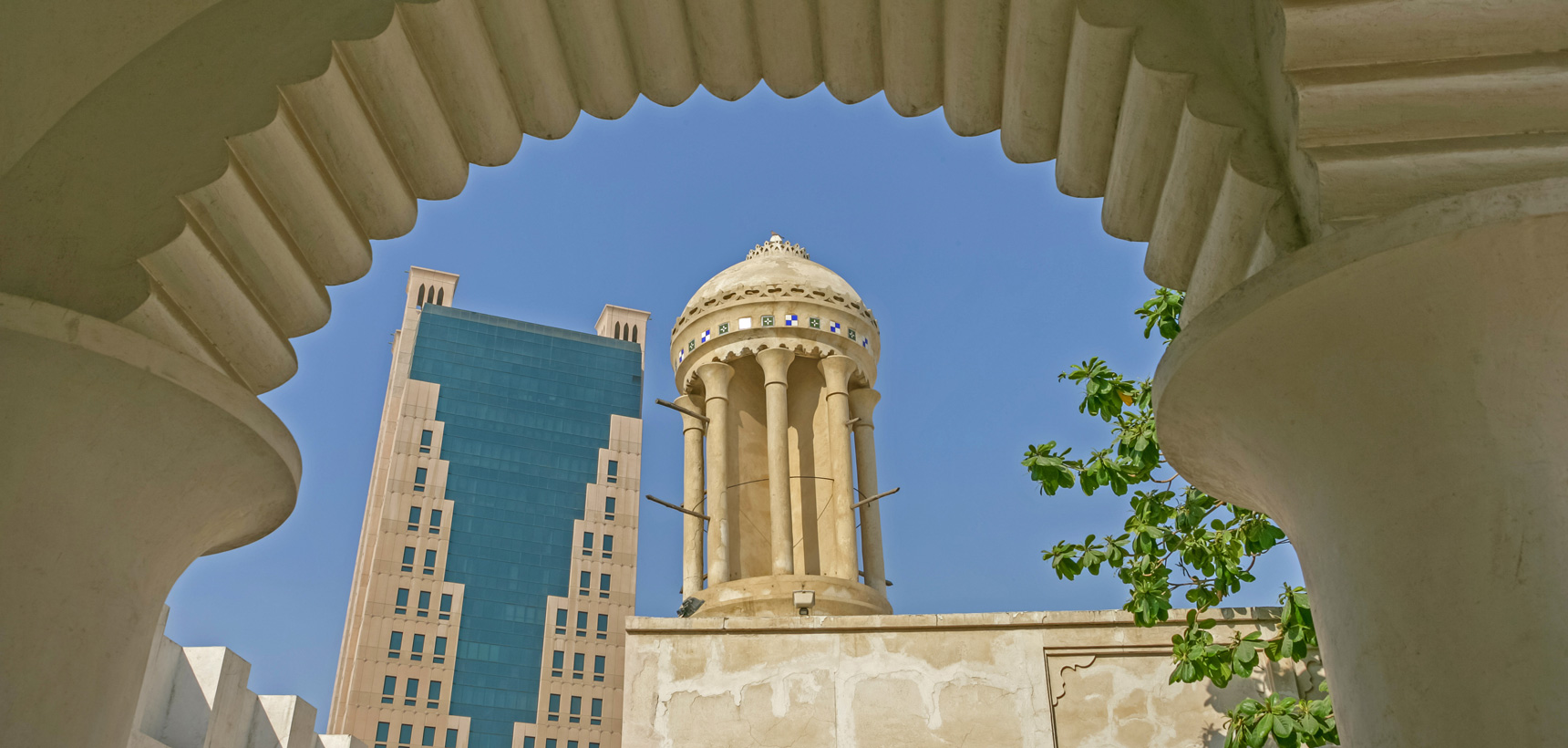
The UAE is a great country, but its land poses some challenges for urban development. This is why sustainable architecture is becoming increasingly important for building modern structures and their designs. Think of a country undergoing rapid urbanization, with an arid climate, and a dire need to reduce carbon emissions. Don’t you think such a place could benefit from sustainable architecture? In this article, we will explore why sustainable architecture is beneficial in the UAE and what techniques architects use to design eco-friendly and energy-efficient buildings suited to the local atmosphere.
Sustainable architecture in the UAE matters because challenges for architects include extreme weather conditions, high energy demands, and extensive water shortages. The government’s commitment to sustainable development (represented, for instance, by the UAE Vision 2021 and Dubai Clean Energy Strategy 2050) shows the country’s progress toward lowering its ecological footprint. Sustainable architecture aligns with these goals, moving toward a greener future for the UAE, and continues to help reduce environmental impact as we strive to align with COP21.
In addition, sustainable buildings are financially profitable as they reduce operating costs (through energy and water savings) and increase safety and comfort. Furthermore, sustainable architecture enhances occupant comfort and health, with better air quality, more natural light, and greater thermal regulation.
With sustainable architecture, energy consumption is reduced by employing designs and materials that increase insulation, ventilation, and cooling. This is crucial in the UAE since air conditioning plays a dominant role in energy consumption.
By using renewable energy sources like solar panels, buildings can produce their own power, which helps reduce fossil fuel dependence and lowers electric bills further.
In a water-scarce region, sustainable architecture emphasizes minimal water use. Rainwater harvesting, graywater recycling, and low-flow plumbing fixtures help decrease water consumption in buildings.
Xeriscaping in the UAE uses drought-resistant plants to minimize water use—essential in the desert climate.
By improving indoor air quality through ventilation systems that minimize pollutants and allergens, sustainable architecture prioritizes occupant health.
Indoor spaces are healthier, more productive, and better for well-being when created using non-toxic materials, maximizing natural light and thermal comfort.
High-quality, durable materials are used in sustainable buildings to reduce the need for repairs and maintenance, resulting in significant lifecycle savings.
The UAE emphasizes green buildings and smart cities, making sustainable structures the right investments for the future.
For these benefits, architects develop specific techniques to address environmental challenges and cultural specificities in the UAE.
Passive solar design goes beyond passive heating and utilizes solar heating and lighting to enhance a building’s functionality. In the UAE, shading devices, building orientation, and double glazing are used by architects to control temperature and light while minimizing energy usage.
Natural ventilation through well-placed windows and ducts also helps reduce reliance on artificial cooling and lighting, making the building energy efficient.
Green roofs and walls involve growing vegetation on building surfaces, providing insulation, reducing heat absorption, and offering aesthetic benefits. In the UAE’s hot climate, this can significantly lower indoor temperatures.
Not only do green roofs help absorb rainwater, provide habitats for wildlife, and filter air pollutants, but they also contribute to a cleaner urban environment.
The UAE’s abundance of sunshine makes solar power the most commonly used renewable energy source in the region. Adding photovoltaic panels on roofs or integrating solar cells within building materials allows buildings to produce their own electricity.
Although wind energy is less common than solar energy, it can also help meet a building’s energy needs, especially in coastal areas where sea breezes are prevalent.
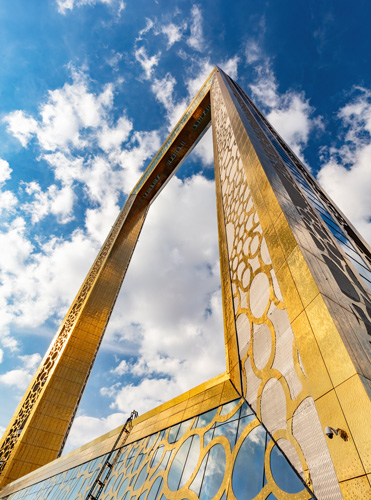
By using locally sourced, recycled, and sustainable materials, we minimize the carbon footprint of the entire process from manufacturing to transportation. Bamboo, reclaimed wood, and concrete substitutes with low emissions and good durability in hot climates are common sustainable materials.
In addition, materials like adobe or insulated concrete with high thermal mass are used to regulate indoor temperatures by absorbing heat and releasing it slowly.
Graywater recycling systems treat water from sinks, showers, and washing machines for reuse in irrigation or toilet flushing. This reduces water waste, which is especially crucial in the UAE where water conservation is a significant concern.
Desalination options are also being explored to determine whether seawater could be used for non-potable purposes, easing pressure on freshwater supplies.
Waste management strategies in sustainable architecture include composting organic waste and recycling construction materials to minimize the environmental impact of buildings.
This approach allows architects to reduce waste generated during construction through designs that facilitate disassembly.
The UAE is home to several iconic sustainable projects demonstrating the effectiveness of these techniques:
Masdar City in Abu Dhabi: Featuring energy-efficient buildings with solar-powered transportation and innovative water management systems, this city serves as a model for sustainable urban design.
The Sustainable City in Dubai: Achieves zero net energy through the use of solar panels, car-free zones, and extensive green spaces.
These projects exemplify the UAE’s commitment to sustainable building and provide a blueprint for future innovations.
In many ways, sustainable architecture in the UAE goes beyond minimizing environmental impact. It’s about using beauty, technology, and science to design affordable, efficient, and resilient spaces for the people of the Emirates. Through passive solar design, green roofs, and renewable energy, architects can create buildings that not only align with the UAE’s vision for sustainability but also meet the specific needs of its inhabitants. The UAE is forging ahead with sustainable architecture as a guiding principle for a greener and more sustainable future for the global community.

Top Benefits of Sustainable Architecture for UAE Projects

How to Bring Your Project to Life with

How Sustainable Construction Practices Are Transforming Interior Design

Creating Luxurious Interiors: Interior Design Trends in UAE

Top Benefits of 3D Architectural Visualization for Clients

Archivara combines innovation with expertise to deliver the best architectural, interior, and landscape solutions. With over 12 years of experience in UAE and Pakistan, we craft inspiring spaces, blending creativity and precision to bring visions to life. Everything we do is excellence.
© Archivara 2022-25. All Rights Reserved.