Top Benefits of Sustainable Architecture for UAE Projects
November 13, 2024
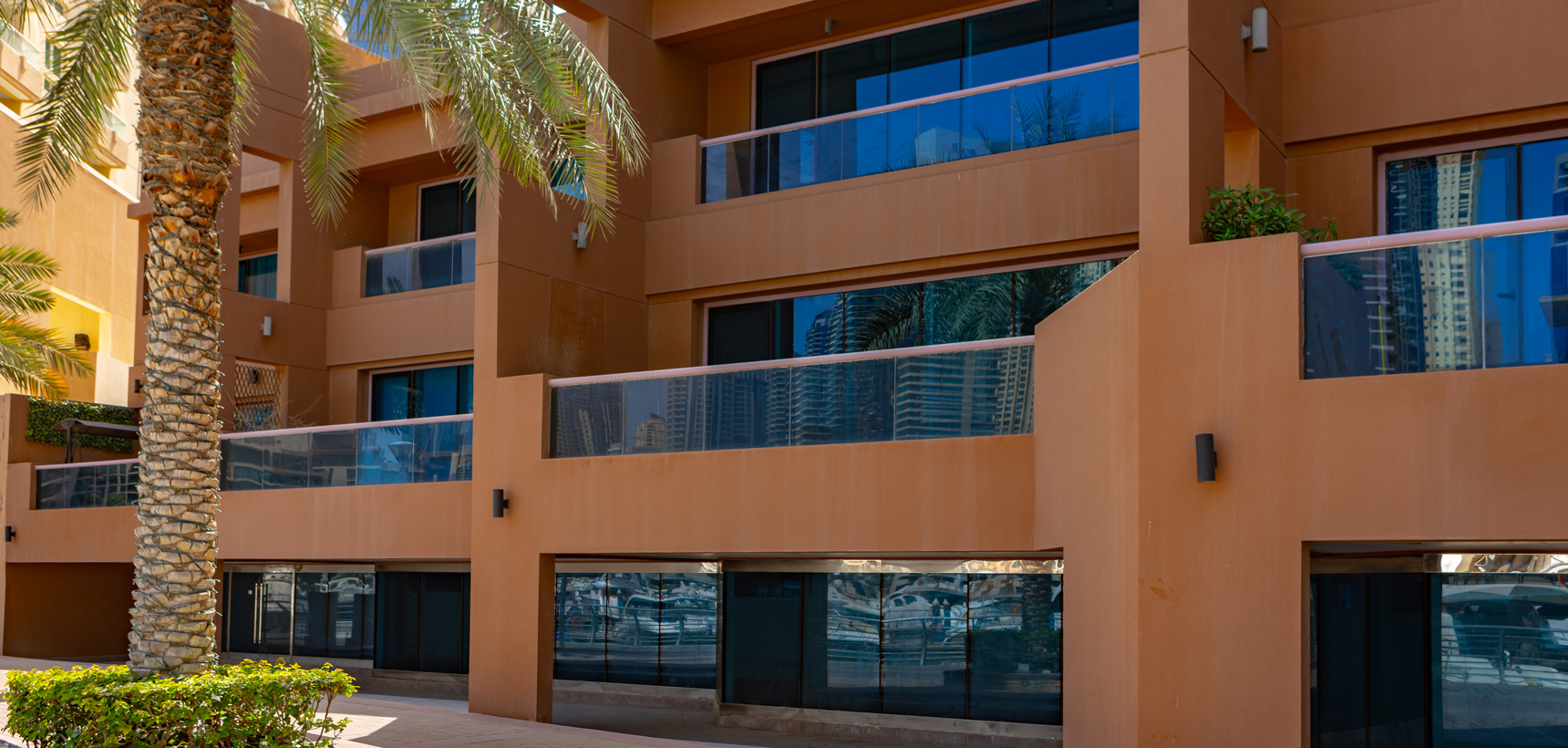
Selecting the appropriate architectural style for your home in the UAE is an important decision that supports your individual character and home life. Also there are other factors involved such as the government regulations and other permissions that you may need from the property developer. But once you are cleared from everything, you can indulge yourself in the different architectural styles available to give your property a unique personality. There are several options available in the market but you need to pay attention to the following factors before you set your heart on a particular style.
When starting in the architectural design in UAE, among the first things I consider to pay attention to is the local architecture. The architecture of the UAE was varied and fascinating where the country has trappings of modern architecture merged with Arabic designs. Islamic and Arabic styles are dominant to interpenetrate the spirit of the history in geometric drawings, arcs, and terraceous colors. Similar to traditional Mexican styles, more simplistic modern designs have also emerged – generally more modern, with clear lines and more extensive use of spaces. When I don’t know these styles, I try to read regarding them and aim to understand how these elements relate to the identity and history of the places. It is knowledge that these styles can be applied to the exterior of buildings right up to the details; thus providing pins authenticity to my designs.
Another important process which has to be taken is the consideration of the environment. Climate is one of the most important factors when it comes to the architectural preferences within the UAE. Of course, summers are hot while winters are relatively cool and much more favourable for human health. Therefore, houses require protection against summer hot, and the rooms should be equipped to keep the heat out comfortably. For example, high ceilings are an ingenious solution to enable the hot air to rise and leave the living area, or shaded porches. Less major decisions, such as which materials were chosen because they do not absorb heat or where windows are placed to minimize how much heat is allowed in during warm months, really do help when it comes to providing a comfortable climate indoors all year round. These contaminants assist me to make designs that are not only beautiful but one that compliments the climate rather than to go against it.
Lifestyle needs are another key component I weigh heavily. Every family has its own rhythm, and a home should support that rhythm seamlessly. If I’m working with clients who love hosting friends and family, open floor plans become an ideal solution. They create fluid spaces that encourage socializing and provide a spacious feel that’s perfect for gatherings. For larger families, or those who simply desire more private spaces, I look into more segmented layouts. Roomy floor plans allow everyone to have a private corner if needed and at the same time have an opportunity to communicate in shared spaces. Recognising these tendencies means it is possible for me to design a home, which will not only meet the client’s specific idea of what their living space should look like, but also the manner in which they plan to spend time in it.
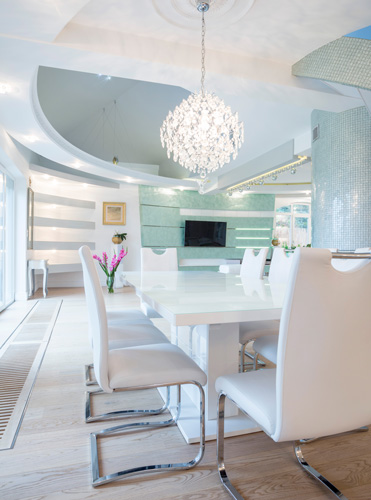
Budget and maintenance are always on my mind, too. Different architectural styles come with their own sets of costs, both upfront and long-term. For instance, complicated designs, the specifics of their ornamentation, or the unusual choice of materials adopted in traditional designs could be a little expensive. Contemporary styles, in contrast, can use practical materials such as concrete, glass and steel in its construction, which means less effort in repairs and maintenance and, therefore, less expensive. Myself, to combine style with working and looking for ways to add some elements of the desired style while keeping within the budget constraints. By being conscious of maintenance requirements, I can help clients make choices that won’t become a burden down the road.
Think about what you will need in the future for your family. Longevity requires versatility in design that can change with changing requirements.
Future-proofing a home is something I never overlook. Families grow and needs evolve, so I consider how the design might adapt over time. Perhaps children will need separate bedrooms as they grow older, or elderly parents might move in, requiring additional accessibility features. Longevity is key in good design, and creating versatile spaces that can be easily modified is crucial for a home that stands the test of time. Open spaces that can be repurposed, or rooms that can be added onto without major renovations, offer flexibility for whatever the future might bring.
Altogether, choosing the proper architectural type for a house within the UAE is the mixture of culture, environment, live-how, cost, and vision. The best designs therefore are those that I have in mind the local trends, climate’s requirements, people living in the home, the budget constraints and those that may change in the future. This kind of thinking enables me to arrive at structures not simply as structures, but as spaces for life: homes that stand in all their flexible stability.

Top Benefits of Sustainable Architecture for UAE Projects
How to Bring Your Project to Life with
How Sustainable Construction Practices Are Transforming Interior Design
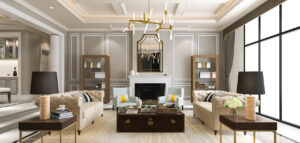
Creating Luxurious Interiors: Interior Design Trends in UAE
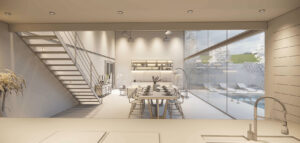
Top Benefits of 3D Architectural Visualization for Clients

Archivara combines innovation with expertise to deliver the best architectural, interior, and landscape solutions. With over 12 years of experience in UAE and Pakistan, we craft inspiring spaces, blending creativity and precision to bring visions to life. Everything we do is excellence.
© Archivara 2022-25. All Rights Reserved.