Top Benefits of Sustainable Architecture for UAE Projects
November 13, 2024
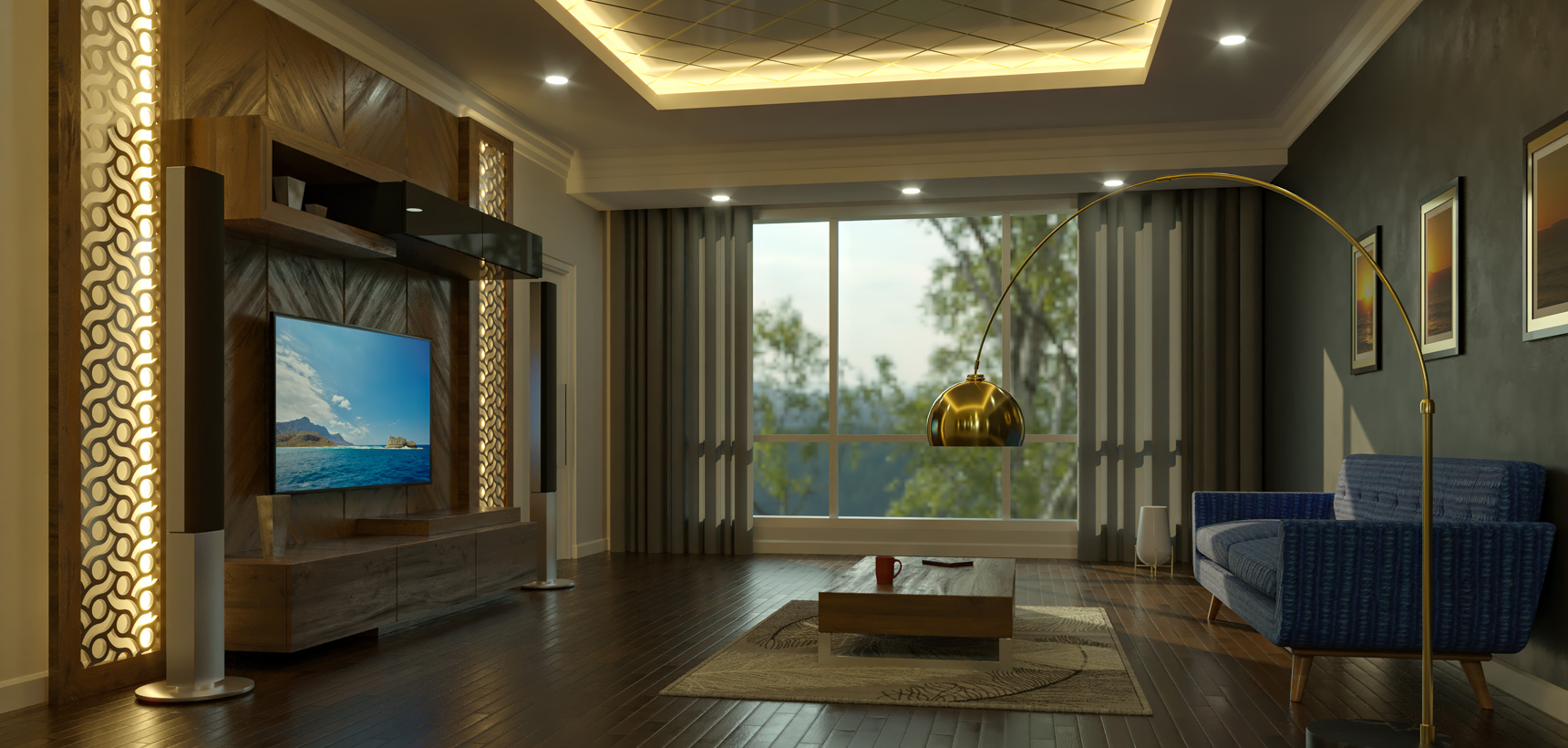
Architecture is a language or an art that specializes in communicating ideas clearly. This is the soul of the art, but as technology rapidly evolves, the requirements for business architecture have increased significantly. Architects are now using animation and 3D rendering as core tools to clearly showcase their designs and give people a visual representation of what their spaces will look like. Interestingly, these visual techniques are proving to be a key part of the visions of developers that are shared with their clients. In this blog, I want to dive into some techniques and best practices I’ve found useful for using animation and 3D rendering. These methods can help you breathe life into your projects, make your presentations pop, and create a stronger bond with your clients.
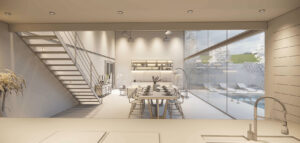
Animation means the creation of moving images to depict the total sequence of activities or events, and 3D rendering is creating a 2D image based on a 3D model. Combined, these techniques enable architects to produce dynamic visualizations of their designs. They use these tools to exhibit their designs properly and showcase a walkthrough of their designs where people can see how functional and lovely their new real estate development is going to look like. This sentence needs revision for clarity: “How to use these tools to present a walkthrough of a building, or highlighting specific features, it really does matter.”
Animation is one of the most powerful mediums in storytelling. Adding narratives to your presentations allows the space to become imagined, taking clients through the space and showing them how it will be used in real life. First, draw up the story that you want your audience to follow. Think about what is most important about the design and how it fits together. Plus, it captivates clients and helps them envision themselves in that space.
3D rendering is highly realistic. To create compelling images that resonate with clients, focus on the following elements:
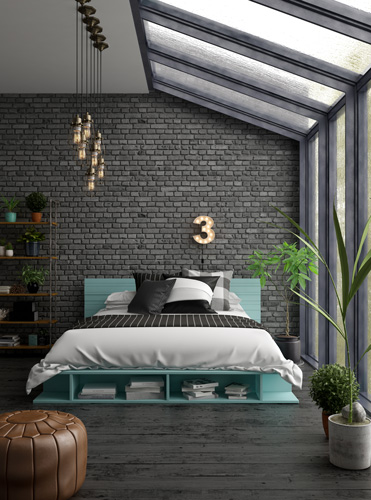
Some of the software available for creating 3D renderings and animations are many. Popular choices include:
Get familiar with the software that suits your needs best and workflow, and if you can, devote some time to consider reading some tutorials.
When integrating animation into your presentations, keep the following tips in mind:
Focus on the Audience: Your animations are about the passions of your audience. Think about which parts of the project will resonate most with them and focus on those.
If you haven’t added animation and 3D rendering to your workflow, you should consider it to boost client collaboration. These tools help clients get involved in the design process, allowing them to share feedback and make adjustments before actual construction begins. By practicing this collaborative approach, we give clients a sense of ownership and satisfaction.
Today, to be competitive, it is invaluable to bring your architectural projects to life with animation and 3D rendering. Using these tools effectively, you can make your presentations more powerful, communicate better with clients, and offer a more immersive experience. We’ve learned that architectural practices interested in staying up to date with technology trends will notice that their designs remain relevant and relatable to clients as technology evolves.

Top Benefits of Sustainable Architecture for UAE Projects
How to Bring Your Project to Life with
How Sustainable Construction Practices Are Transforming Interior Design

Creating Luxurious Interiors: Interior Design Trends in UAE
Top Benefits of 3D Architectural Visualization for Clients

Archivara combines innovation with expertise to deliver the best architectural, interior, and landscape solutions. With over 12 years of experience in UAE and Pakistan, we craft inspiring spaces, blending creativity and precision to bring visions to life. Everything we do is excellence.
© Archivara 2022-25. All Rights Reserved.